
Liver Colored German Shepherd Dog vs White and Black & Tan: What Owners Notice in Daily Life
- Feb 23
- 2 min read
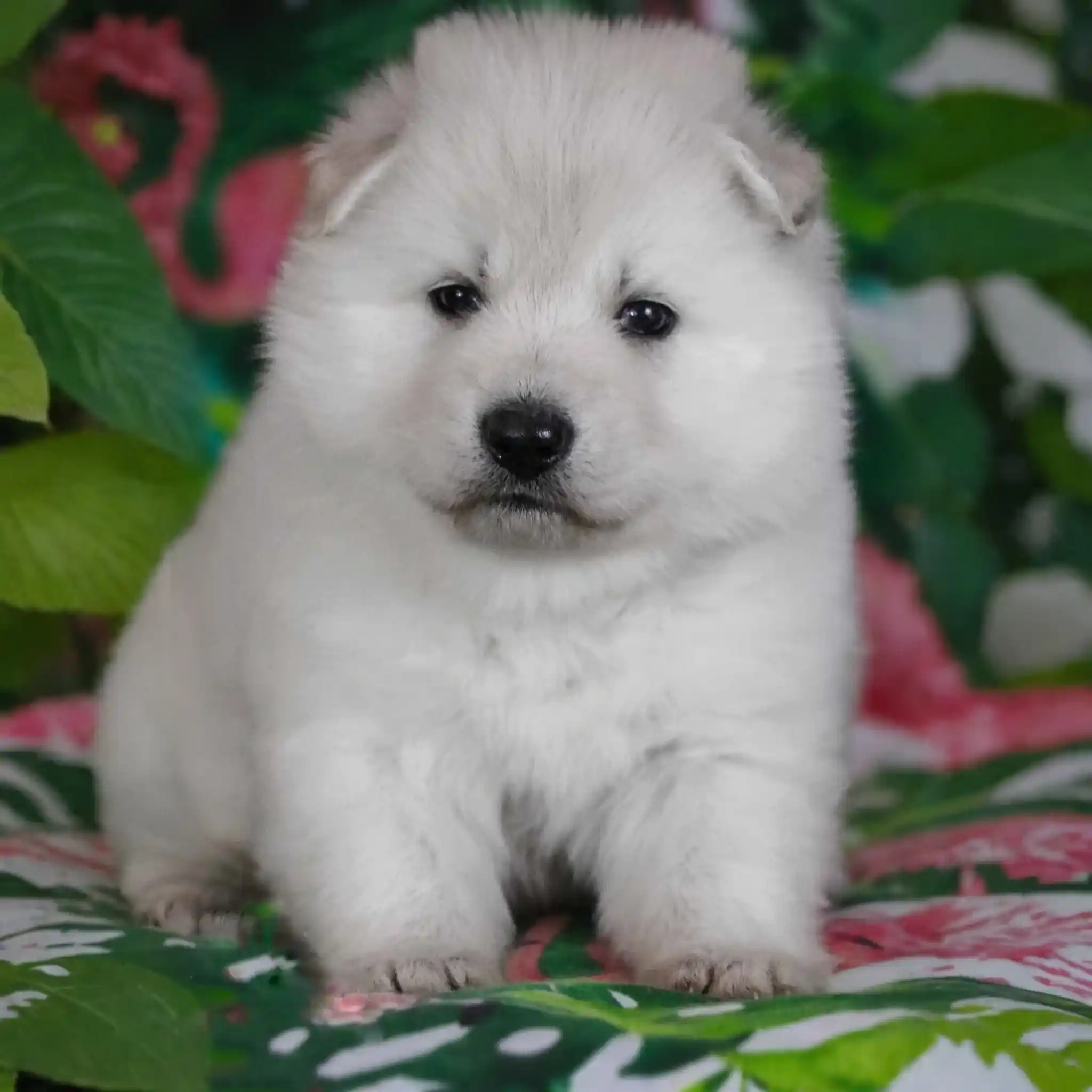
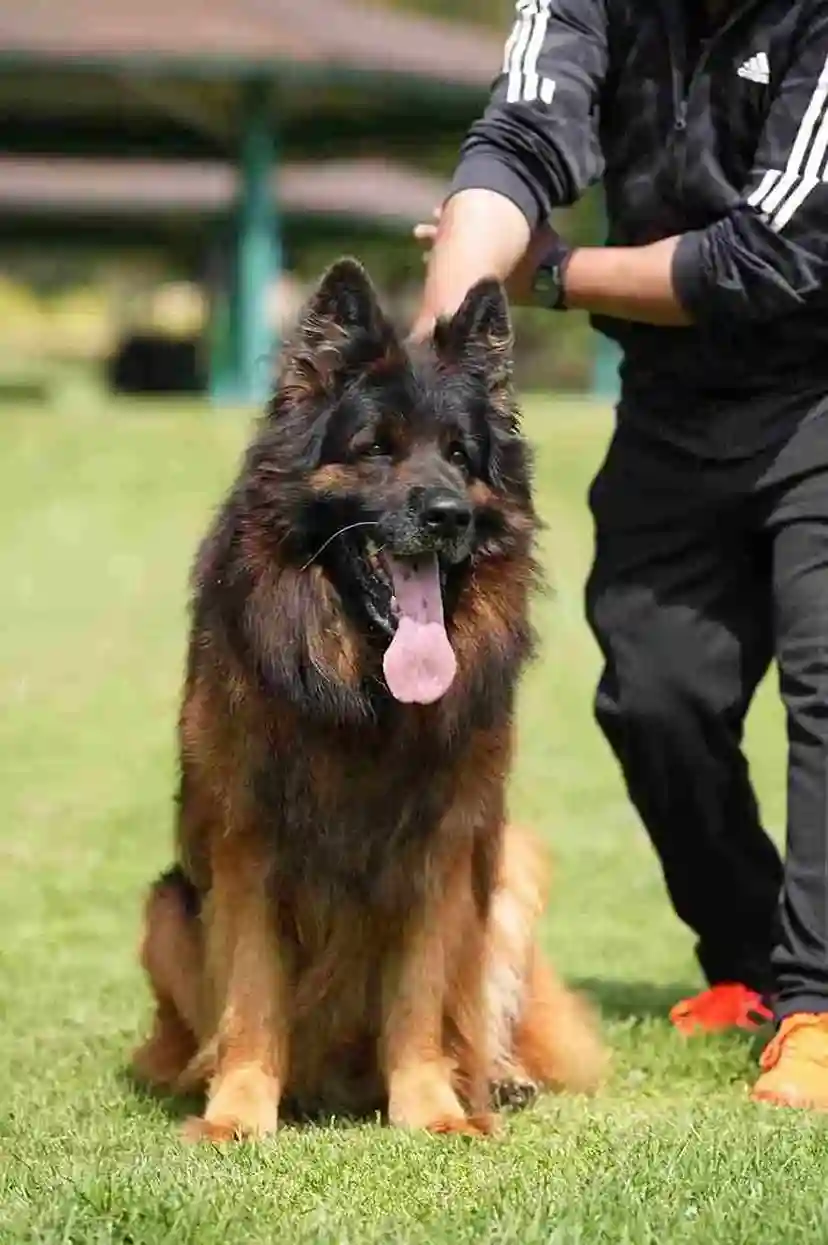
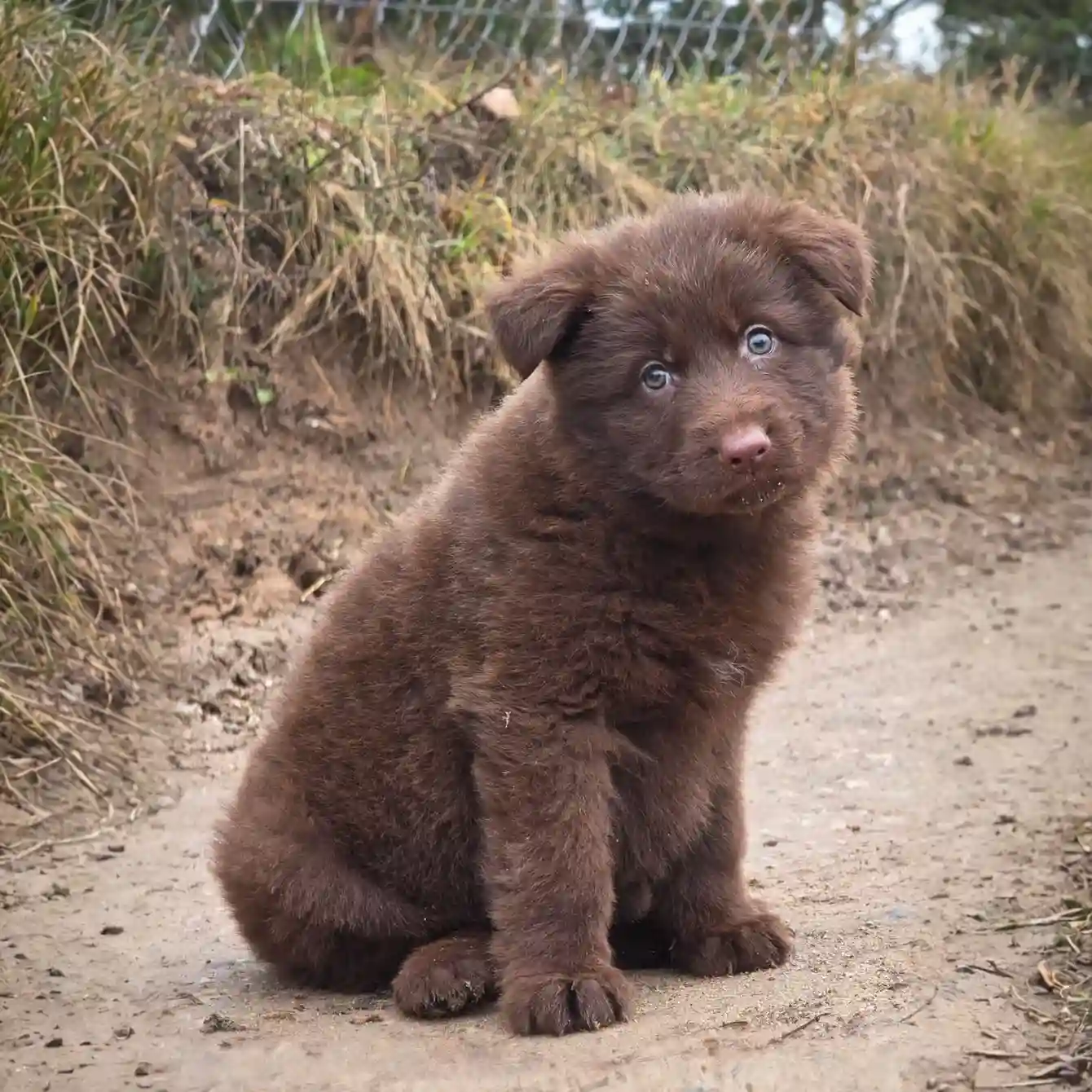
When comparing a liver colored german shepherd dog with white and black & tan German Shepherds, many families focus first on appearance. However, once these dogs are part of everyday life, owners begin noticing differences in visibility, grooming patterns, social reactions, and overall lifestyle presentation. While temperament remains rooted in genetics and training, daily living with each color variation can feel slightly different.
At Royal Tribes K9, we help families understand not just how a puppy looks—but how that choice fits into real life.
Liver Colored German Shepherd Dog Compared to White and Black & Tan in Real Life
A liver colored german shepherd dog stands out immediately due to its rich brown pigmentation and lighter nose tone. Compared to traditional black & tan and white coats, this color often draws attention in public spaces.
Here’s what owners commonly notice:
1. Public Attention & Social Reactions
Liver and white coats tend to receive more curiosity and questions during walks. Black & tan dogs are more familiar to the general public, while white and liver coats feel more distinctive.
Owners of white shepherd puppies often mention how frequently strangers ask about the breed.
2. Shedding Visibility
All German Shepherds shed heavily, but hair visibility differs:
White coats show darker hair on furniture.
Black & tan coats show lighter undercoat during seasonal shedding.
Liver coats may show contrast depending on flooring and clothing.
Daily brushing routines remain essential regardless of color.
3. Heat & Outdoor Living
Darker coats absorb slightly more sunlight in direct heat. While this does not change the breed’s core stamina, owners in hotter climates sometimes notice black & tan dogs warming faster in peak sun compared to lighter coats.
Proper hydration and shaded rest areas matter more than pigmentation.
4. Grooming Aesthetics
White coats may require slightly more visible cleaning after muddy play, while liver and black & tan coats can hide minor dirt more easily.
That said, structure and coat quality matter far more than shade when evaluating a puppy.
Families exploring our available puppies often compare these real-life differences before making their decision.
Temperament Reality: Color Does Not Define Personality
Despite assumptions, coat color does not determine temperament. A stable dog is the result of:
Ethical breeding
Parent temperament testing
Early neurological stimulation
Structured socialization
At Royal Tribes K9, we prioritize these standards across every litter, whether it’s a classic black & tan, a white coat, or a liver colored german shepherd dog.
Which Color Fits Your Lifestyle Best?
When choosing between white, black & tan, and liver coats, ask yourself:
Do I prefer a rare or traditional appearance?
Does shedding visibility matter in my home?
Do I live in a very hot climate?
Do I want a coat that stands out in public settings?
All colors share the intelligence, loyalty, and trainability that define the breed. The difference lies in presentation and daily maintenance visibility—not in core personality traits.
Why Responsible Breeding Matters More Than Color
The most important factor is not pigmentation—it’s breeding ethics. At Royal Tribes K9, we focus on genetic stability, health guarantees, and structured early development.
That commitment ensures that every puppy, regardless of coat, becomes a confident, loyal family companion.


Comments